Published August 27, 2026
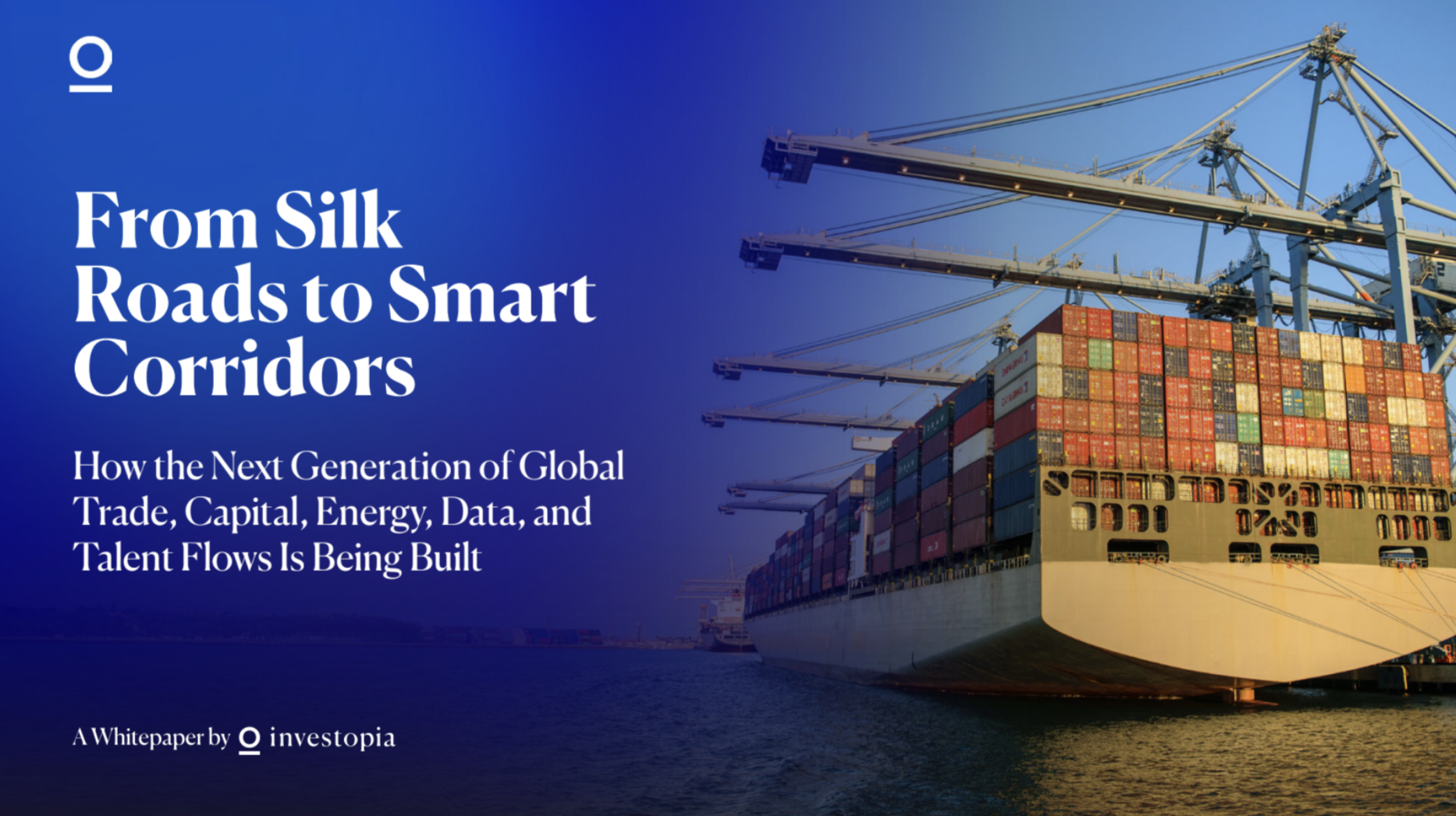
From Silk Roads to Smart Corridors: How the Next Generation of Global Trade, Capital, Energy, Data, and Talent Flows is Being Built
This paper uses the Silk Roads as a narrative entry point, then moves beyond nostalgia. It asks what the new logic of corridors looks like when goods, data, capital, power, talent, and technology move together. It also asks how countries can become attractive not by promoting themselves as hubs in general terms, but by building the infrastructure and institutions that make them useful to others.